
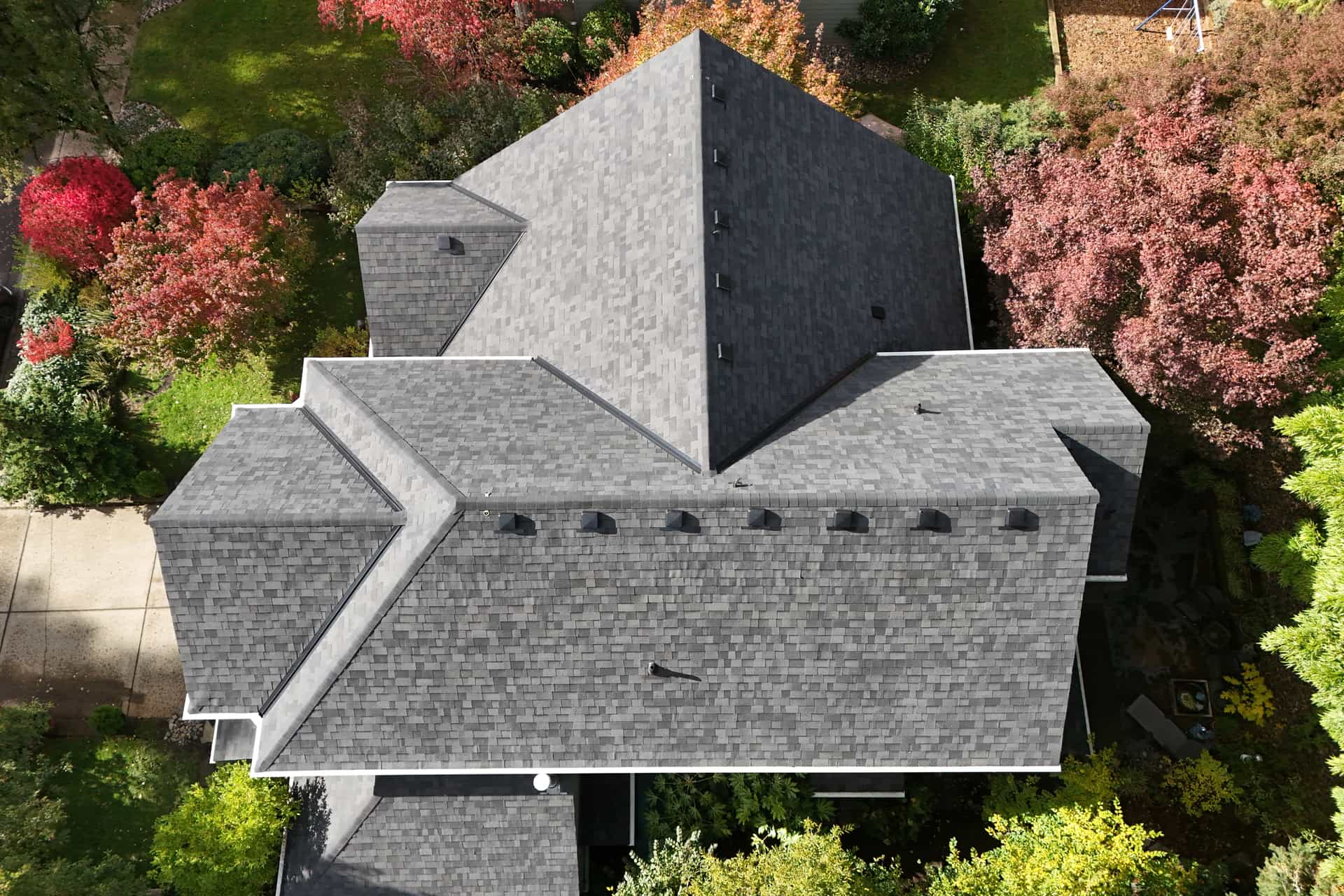
Best Roofing Material for the Pacific Northwest
Rain, moss, and damp shade are what punish roofs here, not heat. We compare every common roofing material on the things that actually matter in the Pacific Northwest: cost, lifespan, moss resistance, and upkeep.
Jump to Section
Navigate directly to the information you need
Quick Answer
What Actually Wears Out a Roof Here (It's Not Heat)
The "best" roofing material depends entirely on climate, and most roofing advice online is written for hot, dry, or hail-prone regions. The Pacific Northwest is a different problem. We don't get punishing summer heat. Instead, our roofs face persistent moisture, moss and dark algae on shaded north-facing slopes, freeze-thaw and wet-dry cycling, and fall and winter wind storms. Vancouver alone averages around 42 inches of rain a year.
So the right material here is one that resists moisture and biological growth, seals and stays flexible through constant wet-dry cycles, and sheds water reliably. That changes the answer compared to a "best roofing material" list written for Phoenix or Dallas.
Roofing Materials Compared at a Glance
Here is how the common options stack up on the factors that matter most in our climate. Costs are approximate installed prices per roofing square (100 sq ft) and vary with roof size, pitch, and access.
| Material | Installed cost / square | Lifespan here | Moss / algae resistance | Maintenance | Best for |
|---|---|---|---|---|---|
| Architectural asphalt | $450-$750 | 25-30 yrs | Good (high with AR granules) | Low | Best all-around value |
| 3-tab asphalt | $350-$550 | 15-20 yrs | Low | Low-moderate | Tight budgets (short-term) |
| Designer asphalt | $700-$1,200 | 30-50 yrs | High | Low | Premium look, long warranty |
| Standing-seam metal | $1,000-$1,800 | 40-70 yrs | Excellent | Very low | Forever homes, max lifespan |
| Exposed-fastener metal | $700-$1,200 | 25-40 yrs | High | Low (re-tighten fasteners) | Budget metal, outbuildings |
| Cedar shake | $800-$1,400 | 20-30 yrs | Low (prone to moss/rot) | High | Historic / aesthetic only |
| Composite / synthetic | $1,000-$1,600 | 30-50 yrs | High | Low | Cedar/slate look, low upkeep |
| Concrete tile | $1,000-$1,800 | 50+ yrs | Moderate-high | Low-moderate | Mediterranean look (needs structure) |
Ranges are general estimates for planning. For a number specific to your home, try our roof cost calculator or request a free quote.
Pros and Cons by Material
Architectural Asphalt Shingles
Pros
- + Best balance of cost and 25-30 year lifespan here
- + Algae-resistant granule options fight black streaks
- + Wide color and style choice; easy to repair
Cons
- - Shorter life than metal or tile
- - North-facing slopes still need periodic moss treatment
Standing-Seam Metal
Pros
- + 40-70 year lifespan, the longest practical option
- + Smooth surface sheds water and moss almost completely
- + Hidden fasteners; excellent wind performance
Cons
- - Highest upfront cost
- - Needs an experienced installer to avoid leaks
Cedar Shake
Pros
- + Natural, high-end appearance
- + Good insulation value
Cons
- - Prone to moss and rot in our damp climate
- - High maintenance; needs regular treatment
- - Fire and insurance considerations
Composite / Synthetic
Pros
- + Cedar or slate look without the upkeep
- + 30-50 year lifespan; resists moss well
- + Lightweight, impact-resistant
Cons
- - Premium price, close to metal
- - Fewer local installers; quality varies by brand
What It Really Costs, and the Smarter Way to Compare
Sticker price is the wrong way to compare roofs. A better measure is cost per year of expected life, because a cheap roof you replace twice as often is not actually cheap. Here is the same idea with round numbers:
3-tab roof: about $8,500, lasts ~17 years here = roughly $500/year
Architectural roof: about $12,000, lasts ~28 years here = roughly $430/year
The "cheaper" 3-tab roof costs more per year of protection, and that is before you count the extra moss cleaning and earlier hassle. Run your own numbers with our roof cost calculator, then weigh how long you plan to stay in the home.
How to Choose: A Simple Guide
- Staying only a few years or selling soon? A quality architectural shingle gives the best return without overspending.
- This is your forever home? Standing-seam metal or a designer asphalt shingle pays off over the long run.
- On a budget? Choose a mid-grade architectural shingle over 3-tab. The small upcharge buys roughly a decade of extra life here.
- Heavy shade or north-facing slopes? Prioritize algae resistance, or consider metal, which sheds moss best.
For most Clark County homes the answer lands on architectural asphalt. Once you are there, the next decision is which shingle, and they are not all equal in our climate. See our guide to the best shingle for the Pacific Northwest.
The Part Most Guides Skip: Installation and Ventilation
The material on the label is only half the story. A premium shingle installed poorly will fail before a mid-grade shingle installed correctly. Two things decide whether your roof reaches its rated lifespan in our climate:
- Attic ventilation. Poor ventilation traps heat and moisture and ages shingles from underneath, a common and avoidable reason PNW roofs fail early.
- Flashing and underlayment. Valleys, chimneys, and vents are where leaks start. Correct flashing matters more than the brand of shingle above it.
That is why workmanship and the installer matter as much as the material. You can see the materials we install and recent Clark County projects to see how it comes together. The crew matters as much as the shingle, and as a Malarkey Certified Residential Contractor, ours is trained to the manufacturer's spec.
Frequently Asked Questions
What is the best roofing material for the Pacific Northwest?
For most homes, architectural asphalt shingles are the best value: they balance cost, a 25-30 year lifespan here, and good resistance to moss and algae. Standing-seam metal is the premium option for maximum lifespan (40-70 years) and the best moss shedding.
Is a metal roof worth it in the Pacific Northwest?
It can be. Metal sheds water and moss almost completely and can last 40-70 years, so it is a strong choice for a forever home. The trade-offs are a much higher upfront cost and the need for an experienced installer to avoid leaks at seams and penetrations.
What is the cheapest roofing material that still lasts here?
A mid-grade architectural asphalt shingle. It costs only a little more than 3-tab but lasts roughly a decade longer in our climate, which makes it cheaper per year of protection. True 3-tab is the lowest upfront cost but the poorest long-term value in the PNW.
Which roofing material resists moss the best?
Smooth standing-seam metal resists moss best because there is little for it to grip. Among shingles, products with algae-resistant granules slow growth considerably. On any roof, north-facing and tree-shaded slopes in the PNW still benefit from periodic moss treatment.
How long do asphalt shingles last in the Pacific Northwest?
Quality architectural shingles typically last 25-30 years here, while budget 3-tab shingles often need replacement in 15-20 years. Proper attic ventilation, moss control, and good installation all extend a roof's real-world lifespan.
Are cedar shake roofs a good idea in the PNW?
Cedar looks beautiful but is one of the harder materials to own in our damp climate because it is prone to moss and rot and needs regular treatment. Most homeowners get better long-term value from algae-resistant architectural shingles, metal, or a synthetic composite that mimics cedar.
Does shingle color matter for moss on north-facing slopes?
Color has a minor effect, but algae-resistant granules matter far more. North-facing and shaded slopes grow moss regardless of color, so the better lever is choosing a shingle with algae-resistant granules and keeping the slope clear with periodic treatment.
Not Sure Which Roof Is Right for Your Home?
We'll walk you through the options that fit your home and budget, with no pressure and no jargon. Get a free, honest recommendation from Vancouver's trusted roofing team.
Licensed • Insured • Malarkey Certified • Serving Clark County