
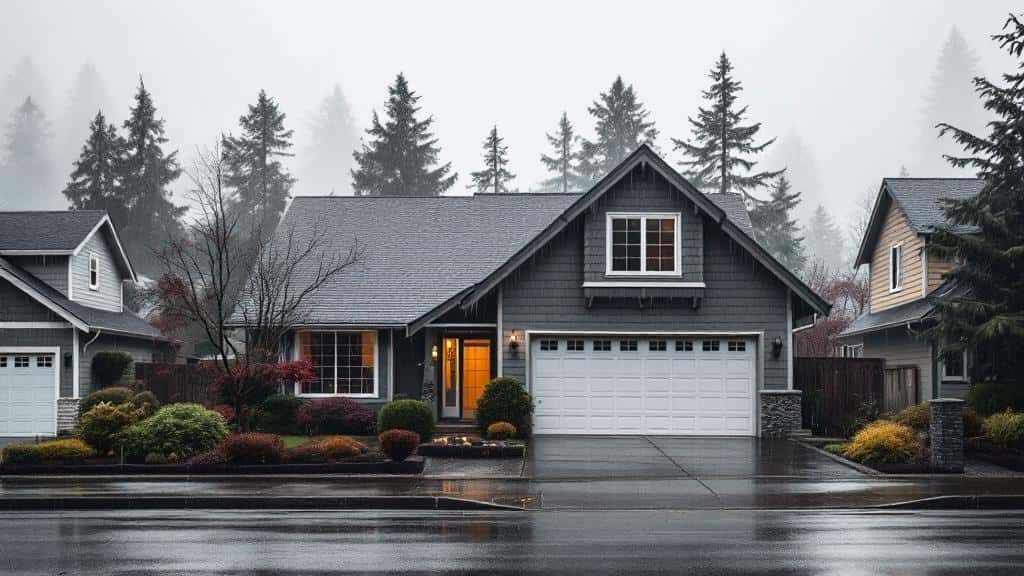
Your roof is one of the most important investments in your home. Understanding how long it should last helps you plan for replacement and catch problems before they become expensive repairs. The short answer? Most roofs last 20-50 years depending on material, but climate and maintenance play major roles. For a complete overview, see our Roofing Guide for Clark County Homeowners.
Roof Lifespan by Material Type
Different roofing materials have vastly different lifespans. Here's what to expect from the most common types according to the National Roofing Contractors Association:
| Material | Expected Lifespan | Best For |
|---|---|---|
| 3-Tab Asphalt Shingles | 15-20 years | Budget-conscious homeowners |
| Architectural Shingles | 25-30 years | Most Pacific Northwest homes |
| Metal Roofing | 40-70 years | Long-term investment, durability |
| Cedar Shake | 30-40 years | Traditional PNW aesthetic |
| Tile (Clay/Concrete) | 50-100 years | Premium durability |
| Slate | 75-150 years | Historic homes, maximum longevity |
Architectural shingles are the most popular choice in Clark County. We install Malarkey shingles which often exceed these estimates with proper installation and maintenance.
Factors That Affect How Long Your Roof Lasts
Material lifespan is just the starting point. Several factors can significantly shorten or extend your roof's life:
- Installation quality: Poor installation can cut lifespan by 50%. Always use licensed contractors.
- Ventilation: Proper attic ventilation prevents heat buildup and moisture damage.
- Roof pitch: Steeper roofs shed water faster and typically last longer.
- Color: Darker shingles absorb more heat, potentially reducing lifespan in hot climates.
- Tree coverage: Overhanging branches drop debris and can cause physical damage.
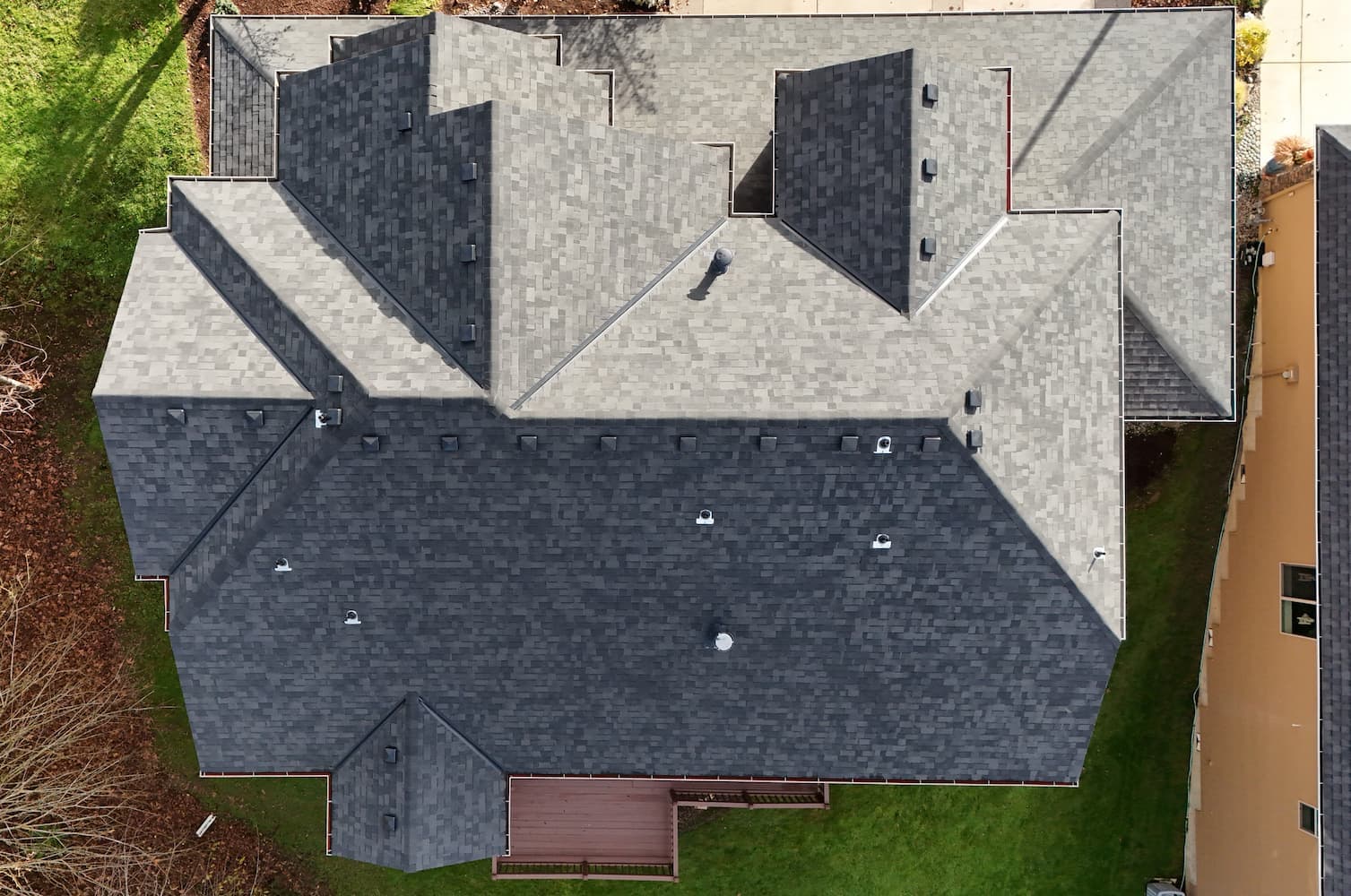
Pacific Northwest Climate Considerations
Living in Vancouver, WA means your roof faces unique challenges that can affect its lifespan:
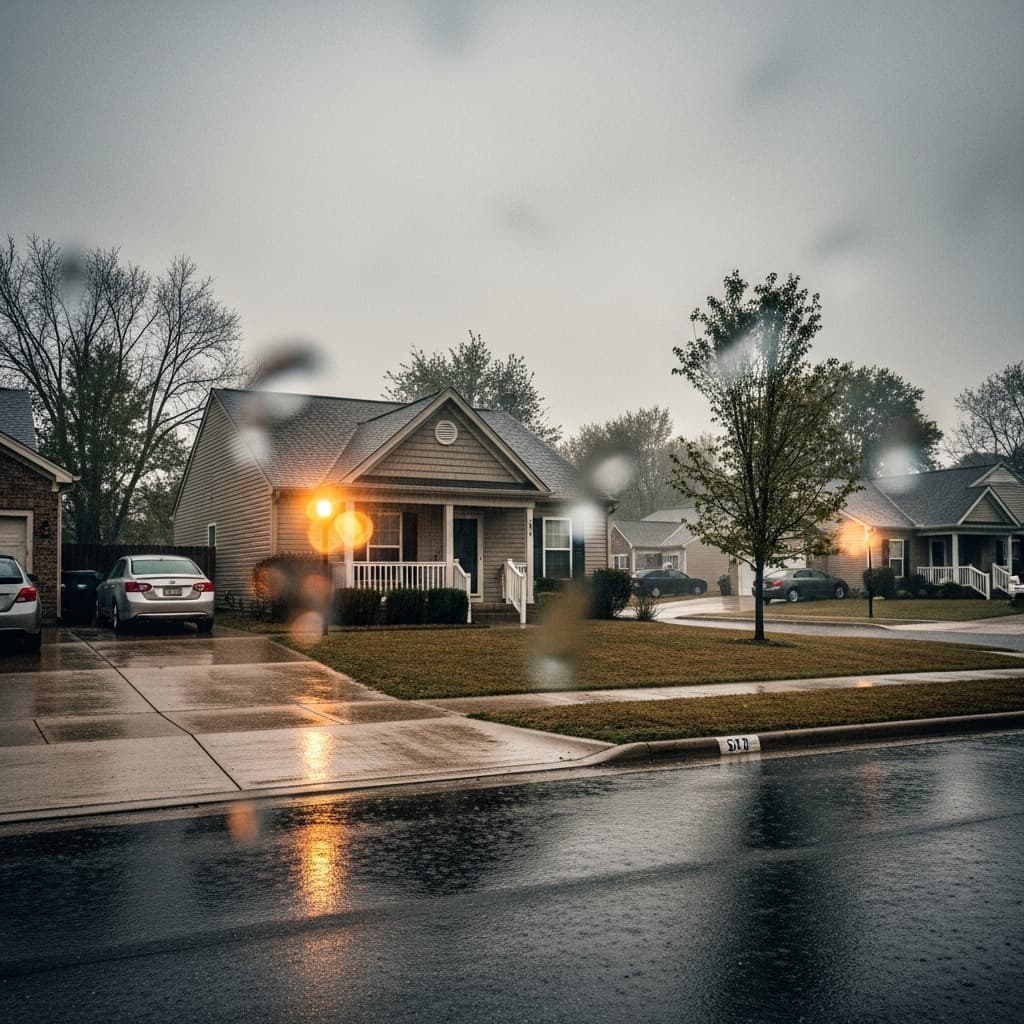
PNW Roof Challenges
Moisture & Rain
Heavy rainfall promotes moss and algae growth, which can lift shingles and trap moisture.
Moss Growth
Our damp climate is ideal for moss. Left untreated, it can reduce roof life by 5-10 years.
Temperature Swings
Freeze-thaw cycles cause expansion and contraction that wears materials faster.
Tree Debris
Evergreen needles and leaves accumulate in valleys and gutters, holding moisture against the roof.
How to Extend Your Roof's Lifespan
With proper care, you can add years to your roof's life. Regular maintenance catches small problems before they become major repairs:
- • Annual inspections: Catch damage early, especially after storms
- • Clean gutters: Clogged gutters cause water backup under shingles
- • Remove moss: Treat moss growth promptly to prevent damage
- • Trim trees: Keep branches at least 10 feet from your roof
- • Fix issues fast: Small repairs prevent costly replacements
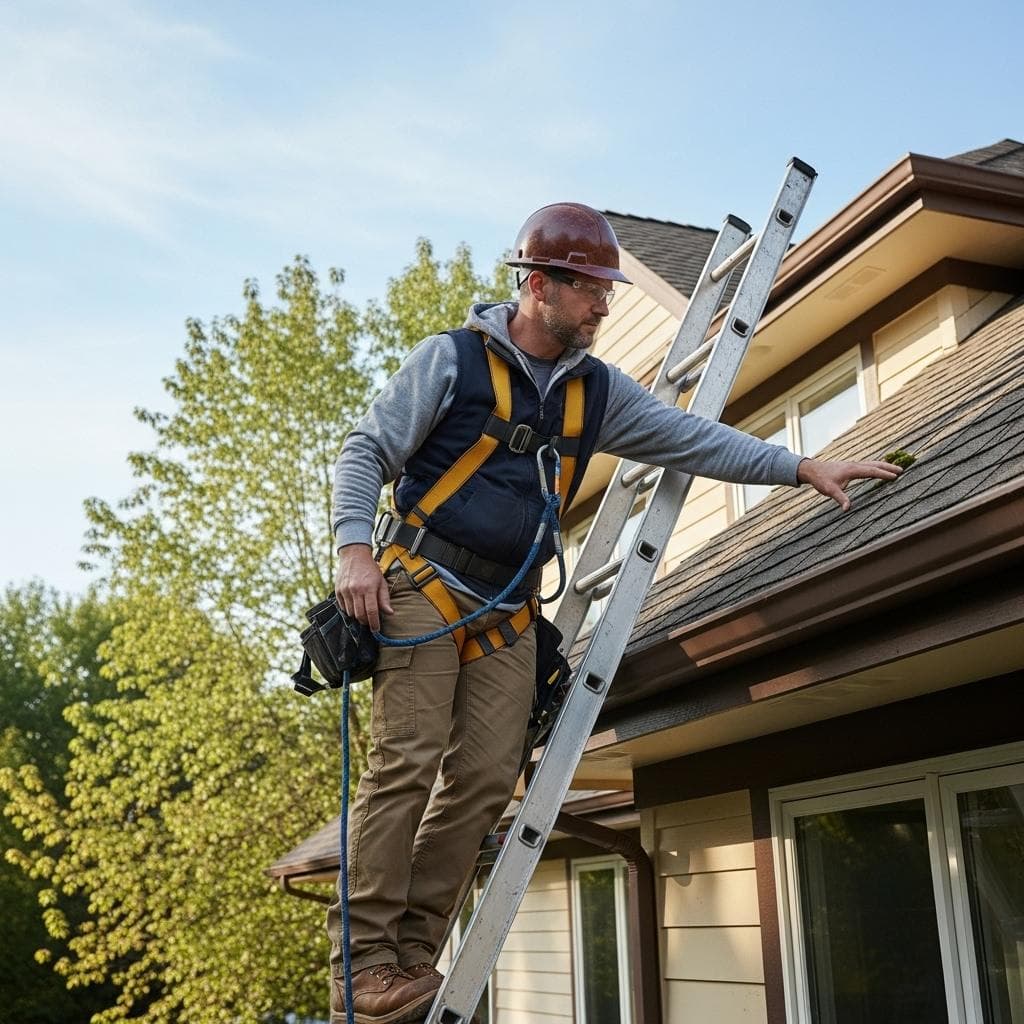
If your roof is approaching the end of its expected lifespan, check out our guide on when to replace your roof for warning signs to watch for, or learn about roof replacement costs to plan your budget.
Not Sure How Much Life Your Roof Has Left?
Our free roof inspections help you understand your roof's current condition and remaining lifespan. We'll give you honest advice - no pressure, no obligation.