
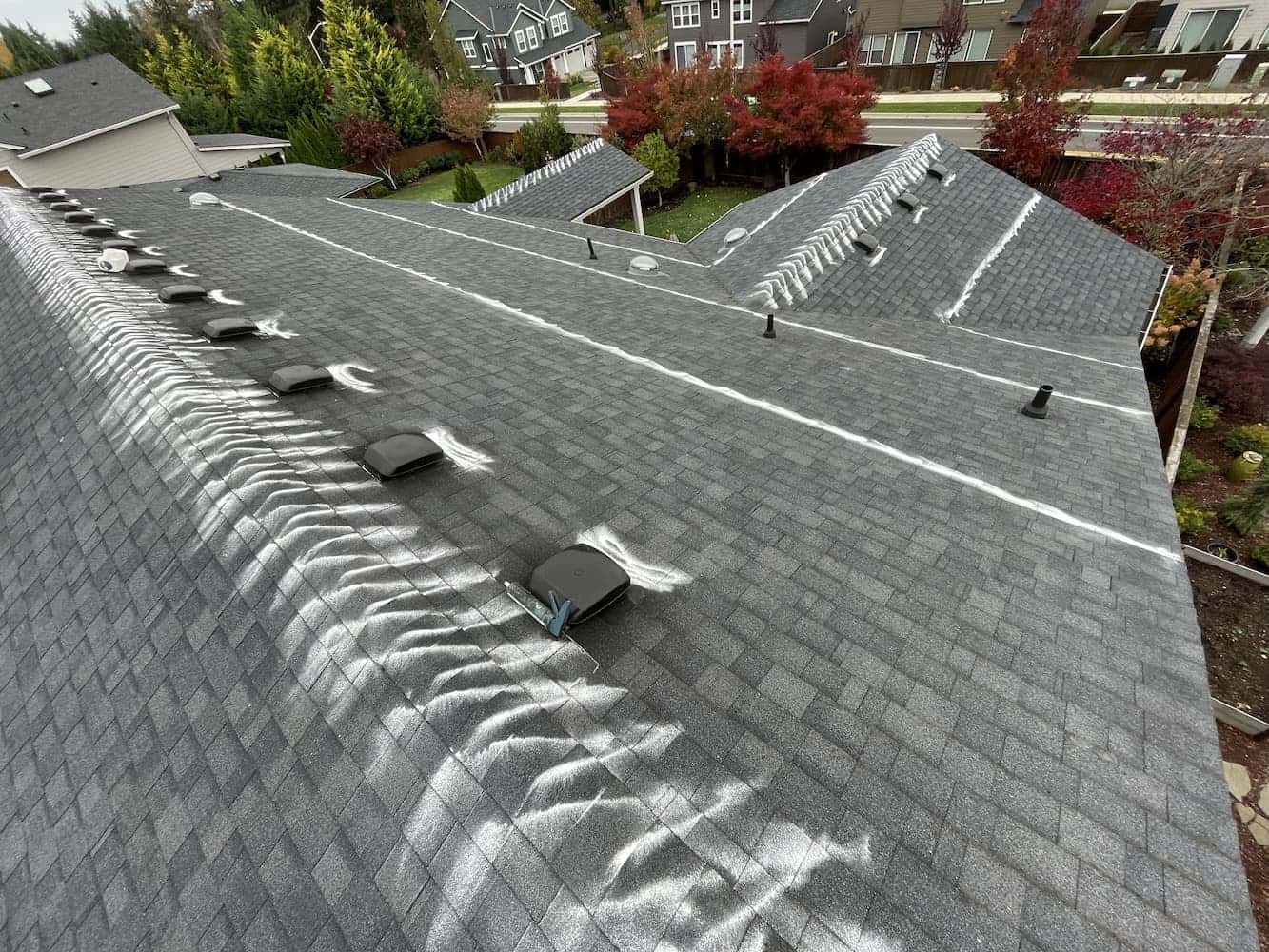
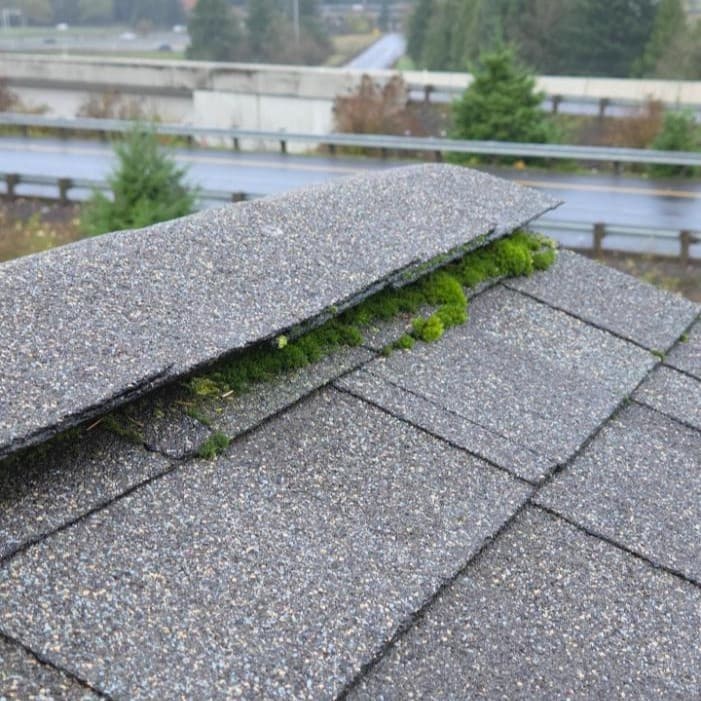
Moss on your roof isn't just an eyesore - it's actively damaging your shingles. In the Pacific Northwest, our damp climate creates perfect conditions for moss growth. Left untreated, moss can reduce your roof's lifespan by 5-10 years by trapping moisture and lifting shingles.
Why Moss Needs to Go
Moss might look harmless, but according to Oregon State University Extension, it causes real damage to roofing materials:
- Lifts shingles: Moss roots work under shingle edges, creating gaps for water infiltration.
- Traps moisture: Moss acts like a sponge, keeping your roof wet long after rain stops.
- Accelerates decay: Constant moisture rots the wood beneath shingles.
- Clogs gutters: Dead moss washes into gutters, causing backups and overflow.
Safe Moss Removal Methods
The key to moss removal is being gentle. Aggressive methods like pressure washing or hard scraping will damage shingles more than the moss itself.
Method 1: Chemical Treatment
The gentlest approach is applying a moss-killing solution and letting it work over time. Commercial moss killers or a 50/50 mix of water and bleach work well. Apply on a cloudy day, let sit for 20 minutes, then rinse gently with a garden hose. The moss will die and fall off naturally over the following weeks.
Method 2: Manual Removal
For thick moss, you may need to physically remove it first. Use a soft-bristle brush and work from top to bottom, brushing down the slope of the roof (never against the shingles). Be gentle - you're removing moss, not shingle granules.
What NOT to Do
- • Never pressure wash - strips granules and voids warranties
- • Never scrape upward - lifts and damages shingle edges
- • Never use metal tools - scratches and gouges shingles
- • Never walk on wet roof - slippery and dangerous
Preventing Moss From Coming Back
Removing moss is only half the battle. Without prevention, it will return within a year or two:
Zinc or Copper Strips
Metal strips installed near the ridge release particles when it rains, creating an environment hostile to moss growth. Effective for 10+ years.
Tree Trimming
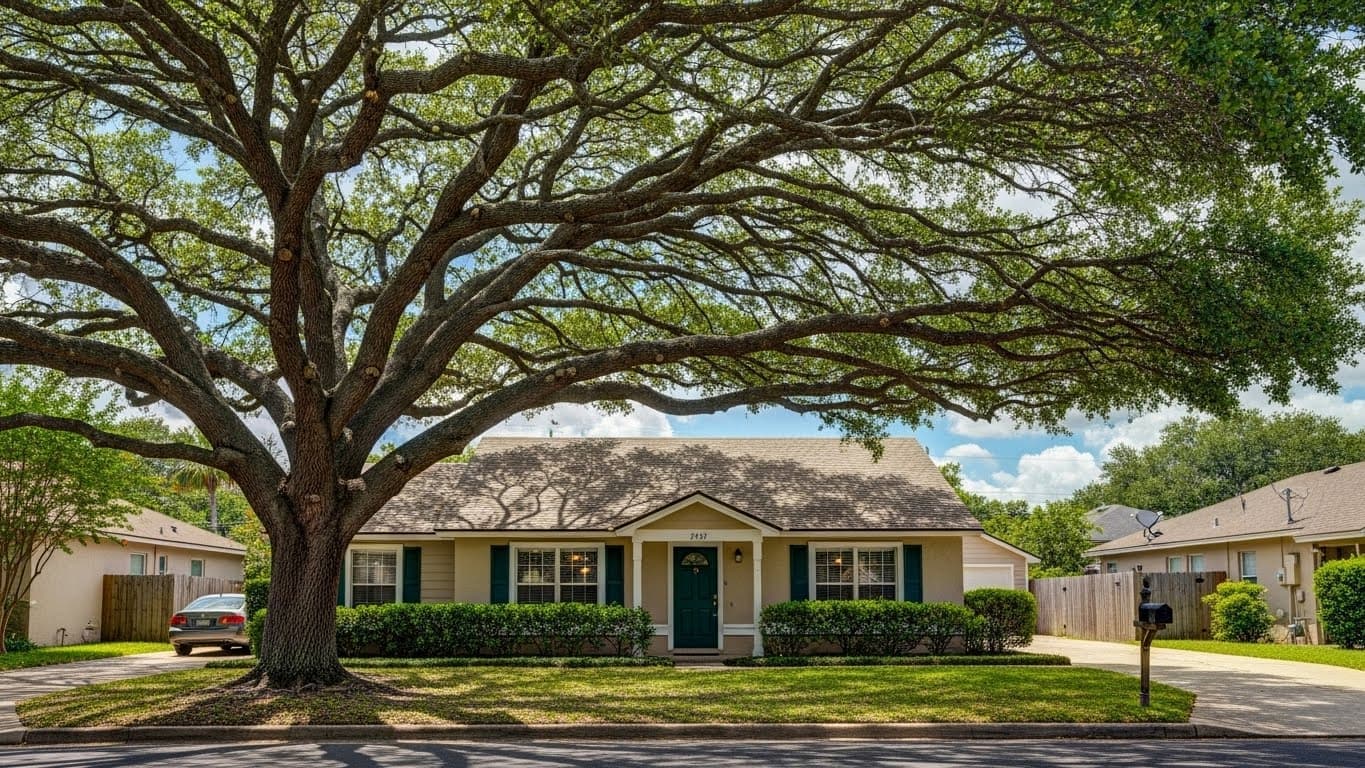
Overhanging branches create shade and drop debris. Keep trees trimmed back at least 10 feet to allow sunlight and airflow.
Regular Cleaning
Annual roof cleaning removes debris before moss can establish. Much easier than removal.
Gutter Maintenance
Clogged gutters create moisture backup at roof edges. Keep gutters clear to reduce the moisture moss needs.
When to Call a Professional
DIY moss removal works for light growth on accessible roofs. Call a professional if:
- Your roof is steep (7/12 pitch or greater)
- Moss is thick or covers large areas
- You notice shingles already lifting or damaged
- Your roof is more than 15 years old
- You're uncomfortable working at heights
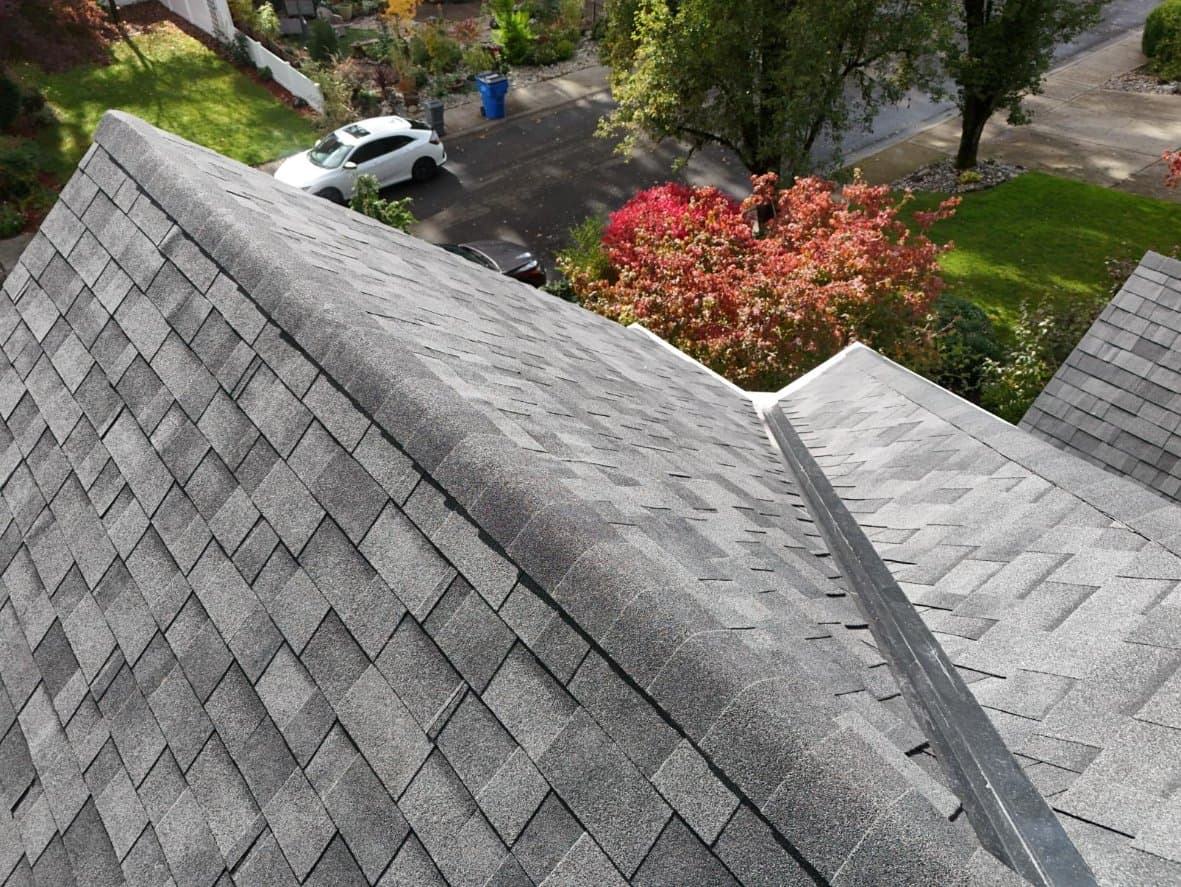
Professional cleaning ensures moss is removed without damaging your shingles, and we can identify any underlying damage that needs repair while we're up there.
Need Help With Roof Moss?
Our professional roof cleaning removes moss safely without damaging your shingles. We'll also apply preventative treatment to keep it from coming back.