
10 Warning Signs of Poor Roof Ventilation Every Homeowner Should Know
Spot attic ventilation problems early before they damage your roof, grow mold, or drive up your energy bills.
Jump to Section
Navigate directly to the information you need
What Is Roof Ventilation and Why Does It Matter?
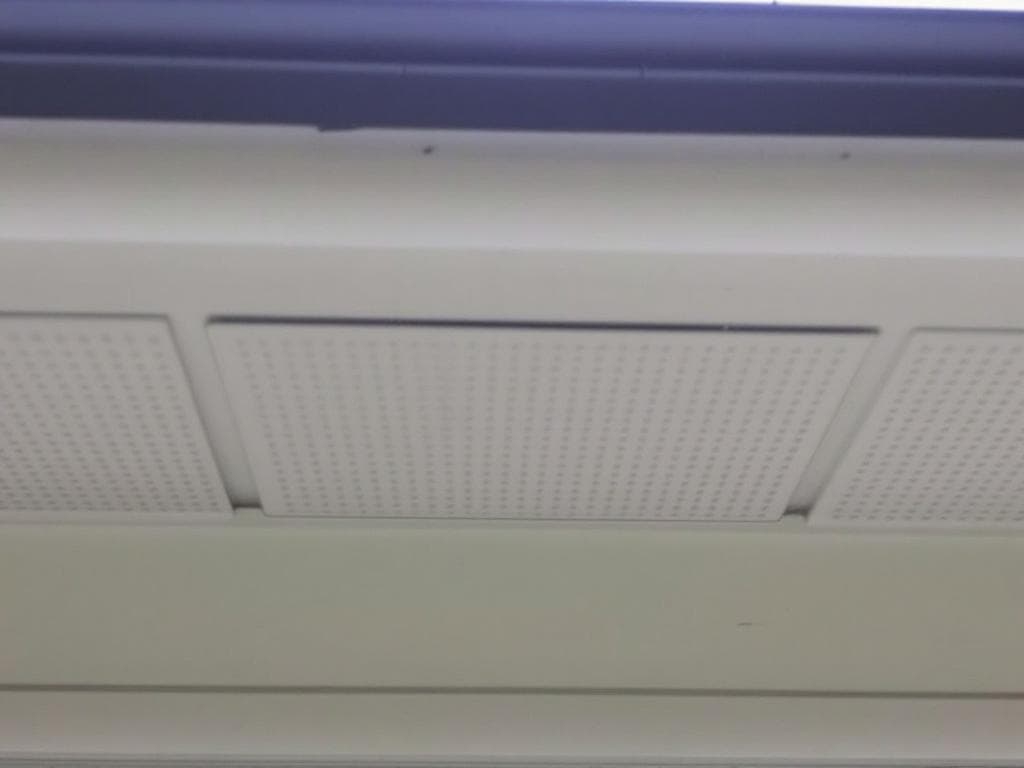 Roof ventilation is the system of intake and exhaust vents that allows air to circulate through your attic space. In a properly ventilated roof, cool air enters through soffit vents under the eaves, flows upward along the underside of the roof deck, and exits through ridge vents or other exhaust vents at or near the roof's peak. This continuous airflow serves two critical purposes: it removes excess heat in the summer and expels moisture year-round.
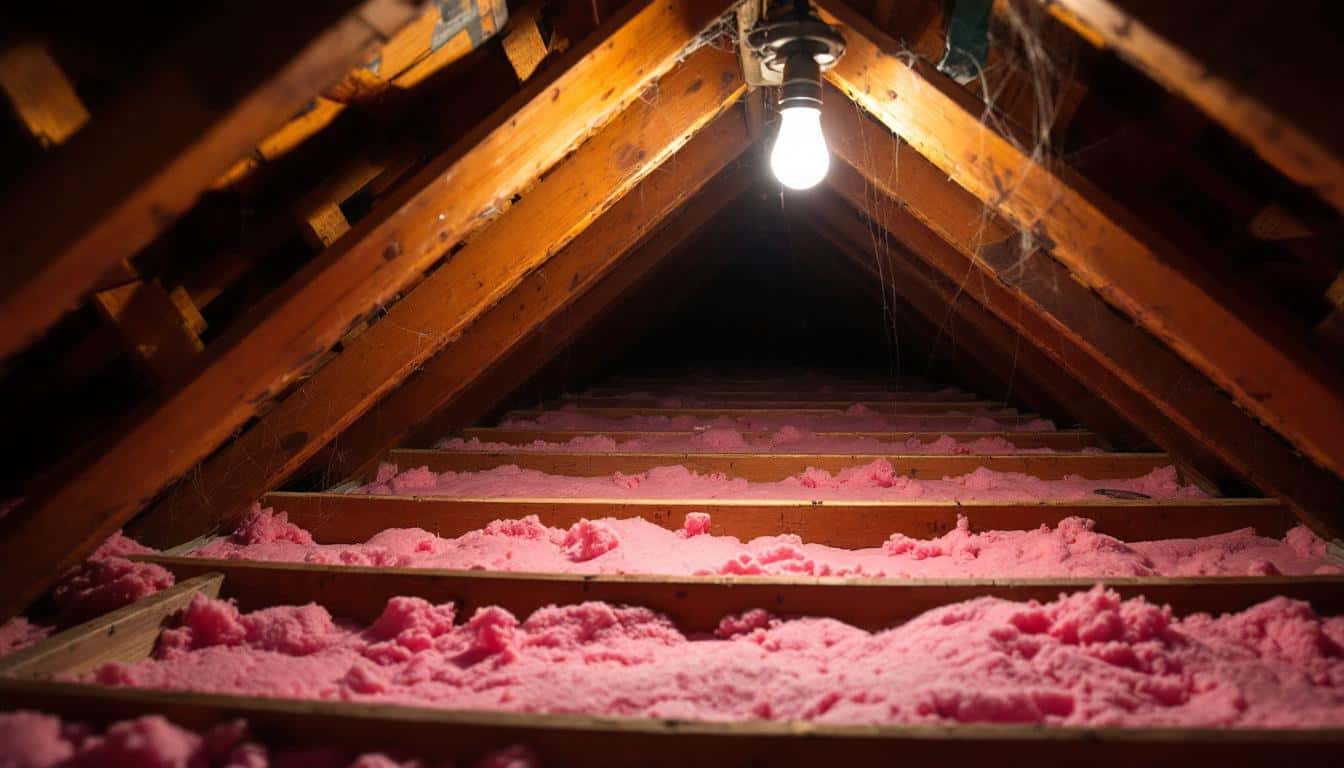
Without adequate ventilation, your attic becomes a trap for heat and moisture. In the summer, attic temperatures can climb above 150 degrees Fahrenheit, baking your shingles from below and forcing your air conditioner to work overtime. In the winter, warm, moist air from your living space rises into the attic and condenses on cold surfaces, creating the conditions for mold growth, wood rot, and structural damage. Here in Clark County, where we get an average of 40+ inches of rain annually and months of cool, damp weather, proper roof ventilation is especially critical.
The International Residential Code requires a minimum ventilation ratio of 1:150, meaning you need 1 square foot of net free ventilation area for every 150 square feet of attic floor space. Most roofing experts, including our team at Gold Shield Roofing And Gutters, recommend balancing this between 50% intake and 50% exhaust for optimal airflow. When this balance is off, or when vents are blocked or insufficient, the warning signs start showing up.
Key Takeaway
Proper roof ventilation protects your home in every season. It keeps your attic cool in summer, dry in winter, and prevents the cascading damage that comes from trapped heat and moisture. If you suspect attic ventilation problems, our ventilation calculator can help you determine whether your home has enough airflow.
Sign #1: High Energy Bills and Uneven Indoor Temperatures
One of the earliest and most common signs of poor roof ventilation is a noticeable spike in your heating and cooling costs. When your attic can't expel heat effectively, temperatures in the space above your ceiling can exceed 150 degrees during Clark County's warm summer months. That superheated attic radiates heat downward into your living spaces, forcing your air conditioning system to run longer and harder to maintain comfortable temperatures. Many homeowners notice certain rooms, particularly upper floors and rooms directly beneath the attic, feel noticeably warmer than the rest of the house.
In winter, the problem reverses. A poorly ventilated attic traps warm, moist air rising from your living areas. Instead of escaping through proper exhaust vents, this warm air heats the underside of your roof deck unevenly. Some areas stay warm while others remain cold, creating the temperature differentials that lead to condensation and ice dams. You may notice that your upstairs rooms feel drafty or cold despite cranking up the thermostat.
If your energy bills have been climbing steadily without a corresponding rate increase, or if you notice a 10-15% jump in cooling costs compared to previous years, poor attic ventilation could be a contributing factor. Before investing in a new HVAC system, have your roof ventilation inspected. A ventilation fix costing $1,500-$3,000 is far less expensive than a $10,000+ HVAC replacement, and it may solve the problem entirely.
Sign #2: Moisture, Condensation, and Water Stains in Your Attic
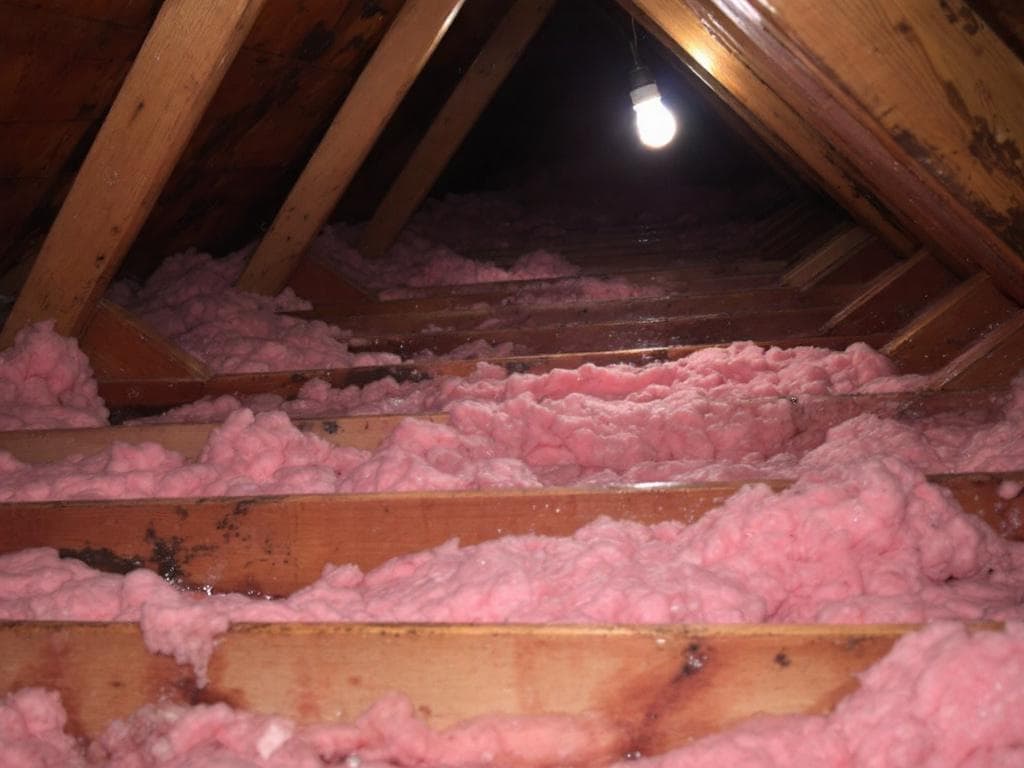 If you climb into your attic on a cool morning and notice water droplets forming on the underside of the roof deck, nails, or rafters, you're looking at a clear sign of inadequate ventilation. This condensation forms when warm, humid air from your living space rises into the attic and meets cold surfaces. In a properly ventilated attic, this moist air is continuously exhausted before it has a chance to condense. Without that airflow, moisture accumulates and causes roof deck moisture damage over time.
Water stains on attic rafters or the underside of roof sheathing are another telltale indicator. These yellowish or brownish marks show where moisture has repeatedly condensed and dried, leaving mineral deposits behind. Many homeowners mistake these stains for roof leaks, but if the staining appears across a wide area rather than in a localized spot, ventilation is almost certainly the culprit. A targeted roof inspection can confirm whether the moisture is coming from above (a leak) or below (condensation from poor ventilation).
In the Pacific Northwest, this problem is amplified by our long, damp winters. Between October and April, indoor humidity levels naturally rise as we keep windows closed and run humidifiers or dryers. All that moisture has to go somewhere, and if your attic ventilation is insufficient, your roof structure becomes the collection point. Over time, this leads to softened plywood sheathing, delaminating OSB, and eventually structural compromise that requires costly repairs.
Sign #3: Ice Dams Forming on Your Roof in Winter
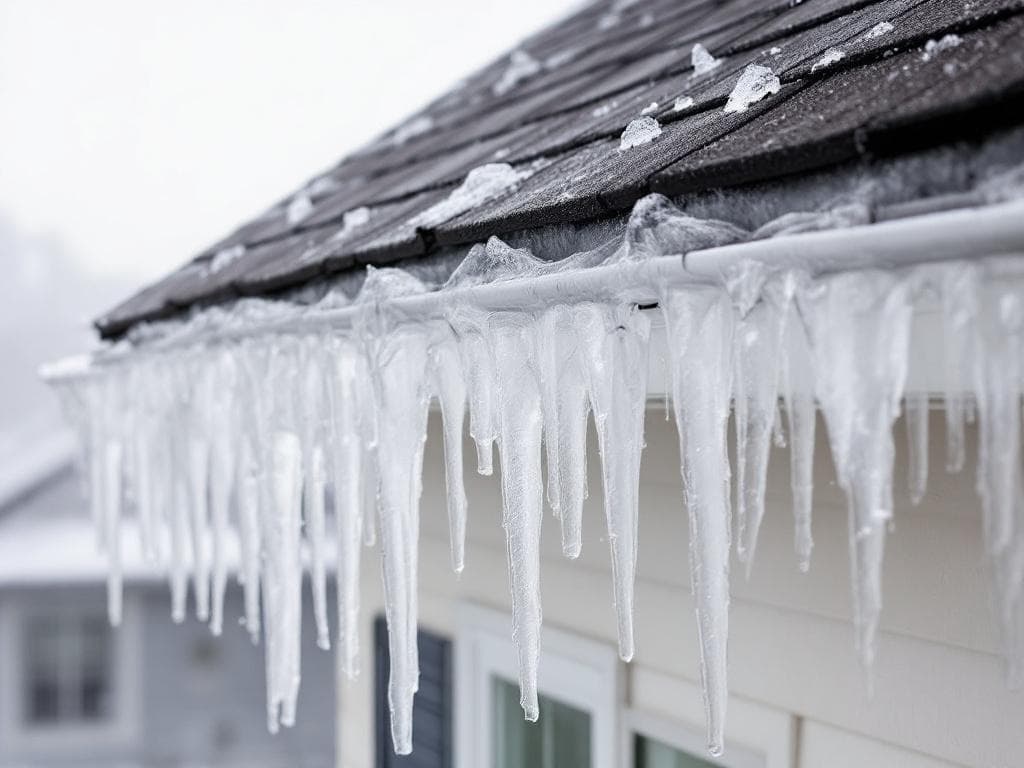 While Clark County doesn't get as much snow as the Cascades, we do experience freezing temperatures and occasional snow events each winter. When those conditions arrive, ice dams are one of the most visible and damaging symptoms of poor roof ventilation. An ice dam forms when heat escaping through a poorly ventilated attic warms the upper portions of the roof, melting snow from the top down. That meltwater flows toward the colder eaves where there's no heat from below, refreezes, and creates a ridge of ice along the roofline.
The danger is what happens next. As the ice dam grows, it creates a barrier that traps water behind it. That pooled water backs up under your shingles, penetrating the roof deck and leaking into your attic, walls, and ceilings. The resulting water damage can be extensive, affecting insulation, drywall, paint, and even electrical systems. Ice dams can also tear gutters from the fascia, adding exterior damage to the list.
The root cause is almost always a combination of insufficient attic ventilation and inadequate insulation. A properly ventilated attic keeps the entire roof surface at a uniform temperature close to the outdoor ambient temperature. When the roof stays uniformly cold, snow melts evenly and drains normally rather than creating the melt-refreeze cycle that forms ice dams. If you've noticed icicles hanging from your gutters or ice ridges along your roofline, it's worth investigating your ventilation system before the next cold snap. Our guide to when to replace your roof covers how repeated ice dam damage factors into replacement decisions.
Did You Know?
According to the City of Portland's updated ventilation standards, proper attic ventilation is one of the most effective ways to prevent ice dams in the Pacific Northwest. Improving ventilation and adding insulation typically costs a fraction of what ice dam damage repairs require.
Sign #4: Premature Shingle Deterioration and Curling
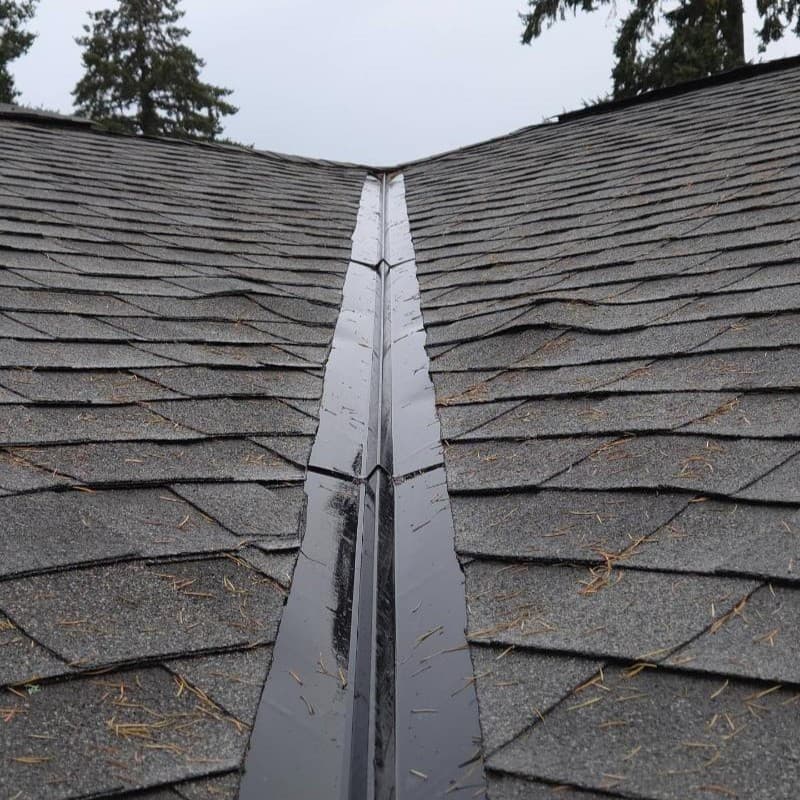 Your shingles are designed to handle the elements from above: rain, wind, UV rays, and temperature swings. What they're not designed to handle is extreme heat coming from below. When a poorly ventilated attic traps heat, temperatures against the underside of the roof deck can reach levels that literally bake your shingles from the inside out. This accelerates the aging process dramatically, causing shingles that should last 25-30 years to fail in 15 or fewer.
The visual signs are distinctive. Look for shingles that are curling at the edges, either cupping upward or clawing downward. You may also notice excessive granule loss in your gutters, which looks like coarse black sand collecting in the gutter troughs. Shingles may appear wavy, buckled, or have a blistered texture. In severe cases, you'll see shingles that have cracked or split prematurely. If these problems appear across your entire roof rather than in isolated spots, poor ventilation is the likely cause rather than a manufacturing defect.
Here's what many homeowners don't realize: poor ventilation can void your shingle manufacturer's warranty. Most major manufacturers, including GAF, CertainTeed, and Owens Corning, require adequate ventilation as a condition of their warranty coverage. If you file a claim for premature shingle failure and the adjuster determines your attic ventilation is below code requirements, the warranty may be denied. This means you could end up paying out of pocket for a full roof replacement that should have been covered. Investing in proper soffit and ridge vent installation now protects both your shingles and your warranty.
Sign #5: Mold, Mildew, and Musty Odors in Your Attic Space
Mold thrives in warm, damp, still environments, which is exactly what a poorly ventilated attic provides. If you open your attic hatch and notice a musty, earthy smell, there's a good chance mold or mildew has already established itself. You may also see dark spots or fuzzy patches on the underside of the roof sheathing, on rafters, or on stored items. In some cases, mold growth can be extensive before a homeowner ever notices, particularly in attic spaces that are rarely accessed.
The health implications of attic mold shouldn't be ignored. While the mold may be out of sight in your attic, its spores circulate through your home via air leaks, HVAC ducts, and gaps around attic hatches and ceiling fixtures. This can trigger allergic reactions, respiratory issues, and other health problems, particularly for family members with asthma or immune sensitivities. In our Pacific Northwest climate, where outdoor humidity levels frequently exceed 80% during the cooler months, a poorly ventilated attic provides ideal conditions for mold colonies to grow rapidly.
Addressing mold caused by poor ventilation requires a two-step approach. First, the existing mold must be professionally remediated, which can cost $1,500-$5,000 or more depending on the extent of the growth. Second, the ventilation problem must be corrected to prevent recurrence. Without fixing the root cause, mold will return within months. If you notice musty smells or signs of mold, schedule a roof inspection for ventilation issues promptly. Catching the problem early can save thousands in remediation costs and protect your family's health.
Health Warning
If you discover extensive mold in your attic, do not attempt to clean it yourself. Disturbing mold without proper containment releases massive quantities of spores into your home. Contact a licensed mold remediation specialist for safe removal, then have your ventilation corrected to prevent recurrence.
Sign #6: Rusty Nails, Metal Corrosion, and Wet Insulation
When you look at the underside of your roof from inside the attic, the nail tips protruding through the sheathing can tell you a lot about your ventilation health. In a properly ventilated attic, these nails remain dry and bright. In a poorly ventilated attic with excess moisture, you'll see rust forming on the nail tips, sometimes dripping rusty streaks down the underside of the sheathing. Metal straps, brackets, joist hangers, and ductwork connections in the attic may also show signs of corrosion.
Wet or compressed insulation is another consequence of poor ventilation that compounds the problem. Fiberglass batt insulation that absorbs moisture from condensation loses much of its insulating effectiveness. Insulation that should provide an R-30 barrier can drop to R-10 or lower when wet, meaning your heating system works harder for less result. You may notice the insulation looks matted down, discolored, or has visible water stains. Blown-in cellulose insulation is even more susceptible to moisture damage, as it can clump and settle when wet, leaving gaps in your thermal barrier.
These signs are particularly important because they indicate your ventilation problem has progressed beyond the early stages. Rusty nails suggest chronic moisture exposure over months or years, and wet insulation means your home's energy efficiency is already compromised. A comprehensive approach is needed: improve ventilation, replace damaged insulation, and repair any structural components that have been weakened by prolonged moisture exposure. Our team can assess the full extent of damage during a professional roof inspection.
How Poor Roof Ventilation Impacts Your Clark County Home
Clark County's climate presents a unique combination of challenges for roof ventilation. Our wet winters, humid springs, warm summers, and heavy tree canopy create year-round demands on your attic's ventilation system. Many homes in Vancouver, Camas, Washougal, Battle Ground, and Ridgefield were built before modern ventilation standards were widely adopted, which means they may have undersized or improperly configured vent systems.
Shortened Roof Lifespan
A roof that should last 25-30 years may fail in 15-18 years with inadequate ventilation. That's $10,000-$20,000 in premature replacement costs for a typical Clark County home. Addressing ventilation issues protects your largest exterior investment.
Structural Wood Rot
Chronic moisture from poor ventilation softens roof sheathing, rafters, and fascia boards. In our damp PNW climate, wood rot can progress quickly once it starts. Replacing rotted structural components during a roof replacement adds $3,000-$8,000 to the project cost.
Higher Energy Costs
Clark County homeowners with poor attic ventilation typically spend 15-25% more on heating and cooling. For a home with $200/month average utility bills, that translates to $360-$600 in wasted energy annually. Over a decade, those costs add up to $3,600-$6,000.
Voided Warranties
Most shingle manufacturers require adequate ventilation as a warranty condition. If your roof fails prematurely and the manufacturer determines insufficient ventilation was a contributing factor, your 25-30 year warranty claim may be denied entirely.
The cascading financial impact of poor ventilation is significant. When you add up premature roof replacement, structural repairs, energy waste, potential mold remediation, and voided warranties, the total cost of neglecting ventilation can easily exceed $20,000-$40,000 over the life of your roof. By comparison, installing proper soffit and ridge vents, or upgrading an existing system, costs a fraction of that amount. Keeping moss off your roof also helps airflow, so consider pairing ventilation improvements with our moss removal guide for comprehensive roof care.
Calculate Your Home's Ventilation Needs
Understanding whether your home has sufficient ventilation starts with a simple calculation. The standard formula used by roofing professionals is based on the 1:150 rule: you need 1 square foot of net free ventilation area for every 150 square feet of attic floor space. This total should be divided equally between intake (soffit) vents and exhaust (ridge or roof) vents.
For example, if your home has a 1,500 square foot attic footprint, you would need 10 square feet of total net free ventilation area: 5 square feet of soffit intake and 5 square feet of ridge exhaust. The ratio can be reduced to 1:300 if you have a vapor barrier on the warm side of the ceiling or if your intake and exhaust vents are balanced within a 50/50 to 60/40 split.
Use Our Free Ventilation Calculator
Not sure how much ventilation your home needs? Our free calculator does the math for you. Just enter your attic dimensions and current vent setup to see if you're meeting code requirements.
Open Ventilation CalculatorKeep in mind that net free area (NFA) is not the same as the total size of the vent opening. Screens, louvers, and weather baffles reduce the effective ventilation area by 25-50%. When shopping for vents or comparing quotes, always ask about the NFA rating rather than the overall vent dimensions. A vent that looks large on the outside may only provide half that area in actual airflow after accounting for screens and obstructions.
When to Call a Licensed Roofing Contractor
Some ventilation assessments are straightforward enough for a homeowner to perform. You can visually check whether your soffit vents are clear of insulation or debris, count the number of vents on your roof, and look for obvious signs like mold, condensation, or rusty nails in your attic. However, certain situations call for a licensed roofing contractor with experience in ventilation systems.
Call a Professional If You Notice:
- Multiple signs from this list appearing together: Two or more ventilation symptoms indicate a systemic problem that needs professional evaluation.
- Visible mold or significant water staining: These conditions require professional remediation before ventilation improvements can be effective.
- Soft or spongy roof sheathing: This suggests moisture has been present long enough to compromise structural integrity and needs prompt attention.
- Your home is more than 20 years old: Older homes often have inadequate ventilation by modern standards and may need a complete ventilation upgrade.
- You're planning a roof replacement: This is the ideal time to upgrade your ventilation system since the roof deck is already exposed.
- Ice dams have caused interior water damage: The combination of ventilation deficiency and active water intrusion needs immediate professional intervention.
A qualified roofing contractor will perform a thorough attic inspection, measure your current ventilation capacity, check for blocked or improperly installed vents, assess insulation condition, and recommend specific improvements. At Gold Shield Roofing And Gutters, our roof inspections include a complete ventilation assessment as part of our repair evaluation process. We'll give you an honest assessment of your ventilation health and a clear plan for any improvements needed.
What to Expect During a Ventilation Inspection
Our team will check your attic temperature and humidity, inspect soffit vents for blockage, measure ridge and exhaust vent capacity, evaluate insulation condition and coverage, identify any mold or moisture damage, and calculate your home's specific ventilation needs. We provide a written report with findings and recommendations so you can make an informed decision. Call us at (360) 947-7119 to schedule your inspection.
Frequently Asked Questions About Roof Ventilation
Common questions about attic ventilation, signs of problems, and solutions
Protect Your Roof From Ventilation Damage
Don't let poor ventilation cut your roof's lifespan in half. Our licensed roofing team can diagnose and fix ventilation problems before they cause expensive damage.